AI in Healthcare: Which Medical Jobs Are Safe?
From diagnostic imaging to bedside care - how AI is reshaping every layer of the healthcare workforce.

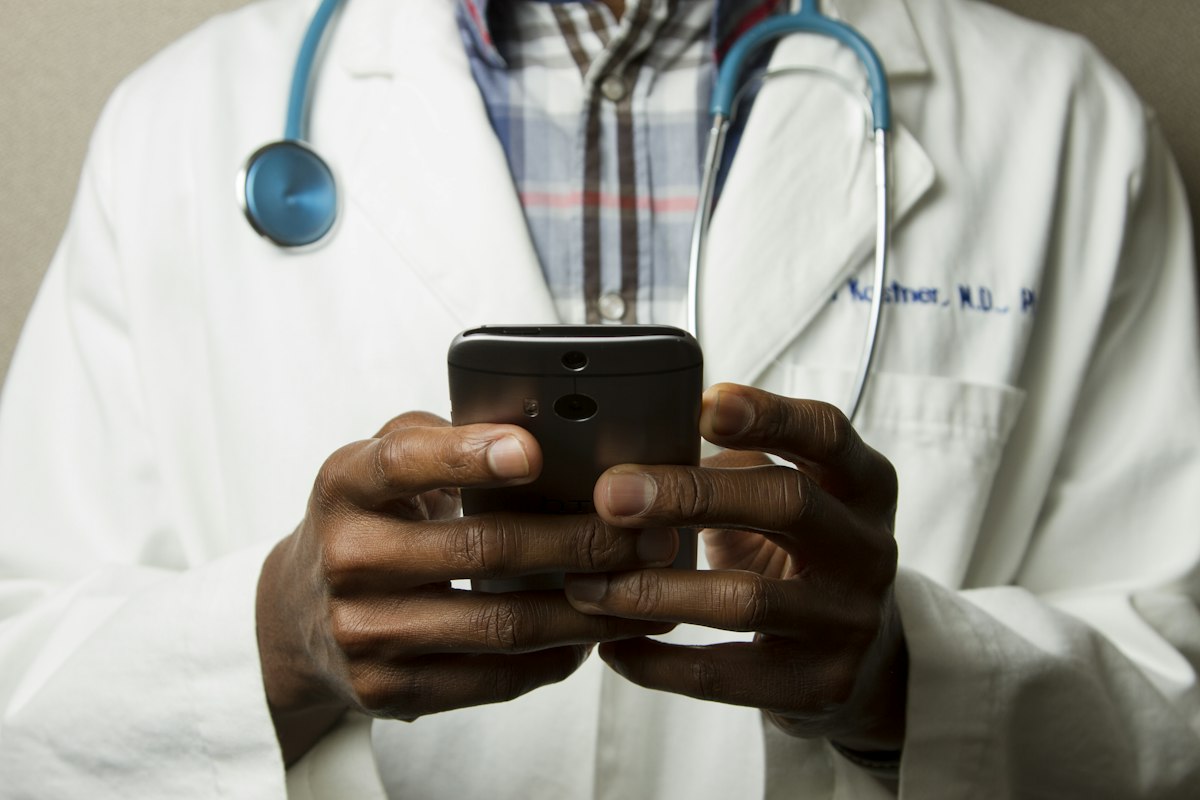
Healthcare is one of the largest employment sectors globally, and AI is poised to transform it profoundly. But the nature of medical work (high stakes, physical contact, emotional nuance) means the transformation looks very different from what happened in manufacturing or data processing.
According to the Stanford Institute for Human-Centered AI (HAI), healthcare AI investments reached $10.9 billion in 2023 alone, more than any other sector. Yet the World Economic Forum’s 2025 Future of Jobs Report projects continued net job creation in healthcare through 2030, even as specific tasks become automated.
High-risk medical tasks
Diagnostic imaging analysis is the most discussed example. AI systems can now detect certain cancers in radiology scans with accuracy matching or exceeding experienced radiologists. Pathology slide analysis, ECG interpretation, and preliminary triage from symptom data are all being automated rapidly.
Administrative healthcare tasks (medical coding, billing, appointment scheduling, and insurance pre-authorization) face even higher automation risk. McKinsey estimates that 35% of healthcare administrative tasks could be automated by 2028, representing a significant shift in back-office staffing.
Healthcare automation risk by role type
| Role Category | Automation Exposure | Key Factor |
|---|---|---|
| Diagnostic Imaging Analysis | Very High | Pattern recognition in structured data |
| Medical Coding & Billing | Very High | Rule-based data processing |
| Nursing & Bedside Care | Very Low | Physical + emotional dexterity |
| Surgery | Low | Complex judgment under pressure |
| Therapy & Counseling | Very Low | Trust-building, empathy |
Source: Stanford SALT Lab WORKBank, BLS
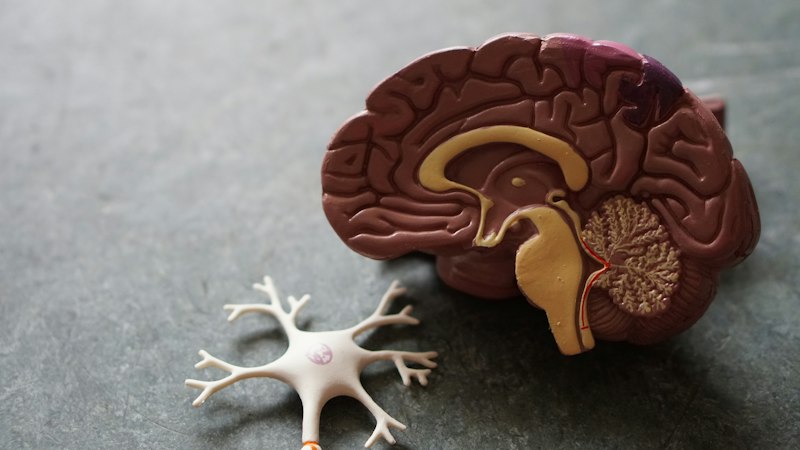
Why most clinical roles remain safe
The OECD Employment Outlook found that less than 12% of nursing tasks can be meaningfully automated with current technology. The reason is straightforward: nursing requires physical dexterity in unpredictable environments, real-time emotional judgment, and the kind of trust-building that patients need from a human presence.
Surgeons, therapists, primary care physicians, and emergency medicine professionals all share these protected characteristics. AI will augment their capabilities (better diagnostics, faster drug interaction checks, personalized treatment plans) but it won’t replace the clinician at the bedside.
The new roles emerging
Healthcare AI is creating entirely new job categories: clinical AI specialists who validate algorithm outputs, health data scientists who build predictive models for patient outcomes, and AI ethics officers who ensure algorithmic fairness in treatment recommendations.
Stanford’s SALT Lab data explorer shows that healthcare occupations requiring a combination of technical and interpersonal skills have seen the fastest wage growth over the past decade, reinforcing the value of hybrid skill sets in medicine.
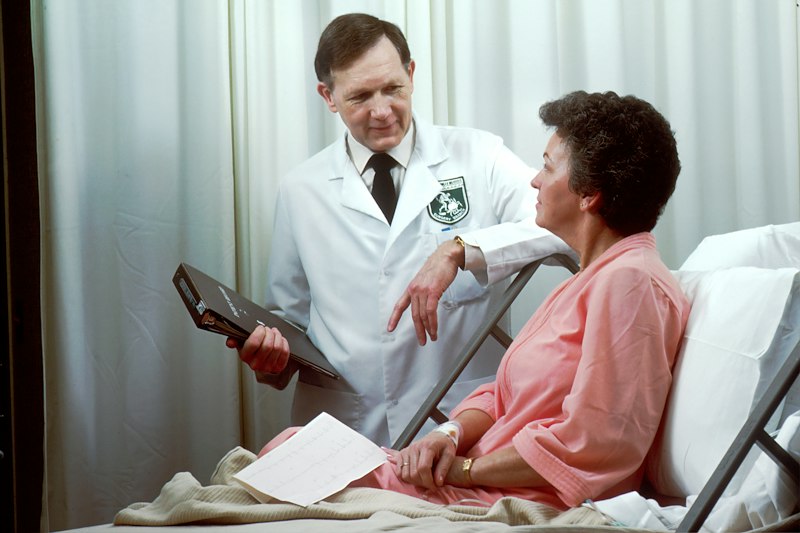
What healthcare workers should do now
Build AI literacy specific to your specialty. Learn how diagnostic AI tools work in your field so you can validate, not just accept, their outputs. The professionals who thrive will be those who combine clinical expertise with the ability to collaborate with AI systems, not those who compete against them.
Focus on the irreplaceable: patient relationships, complex clinical judgment, interdisciplinary coordination, and ethical decision-making. These are the skills that define the future healthcare professional.
“AI will not replace doctors. But doctors who use AI will replace doctors who don't.”
Sources & references
Check your healthcare role’s risk
Get a personalized automation analysis for your specific medical or healthcare position.